Oversizing is the most common HVAC error in American houses, because contractors round up and because each replacement matches the last one.
1. Short cycles
The system runs for a few minutes, satisfies the thermostat and shuts off, repeatedly.
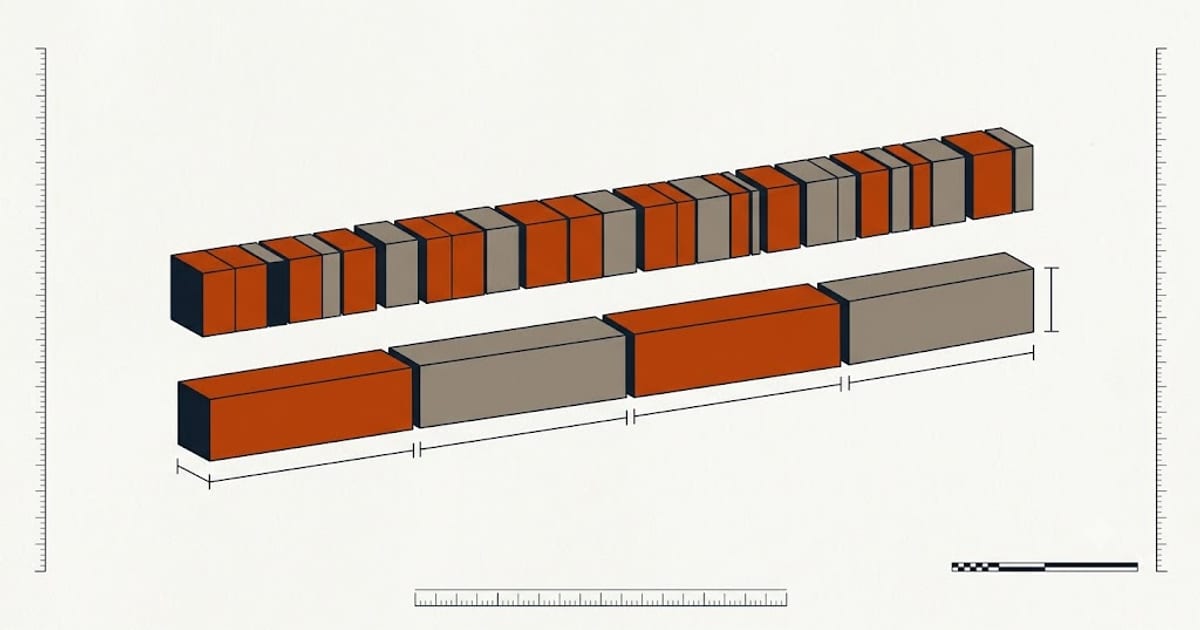
On a hot afternoon a correctly sized system should run long, steady cycles — 15 to 20 minutes at least, and at design conditions close to continuously. Cycles of five to eight minutes on a 95°F day are the clearest single indicator.
Time it with a phone. It costs nothing and it is the most informative thing you can measure.
2. The house is cold and clammy
The thermostat reads 73°F and the air still feels heavy. Indoor relative humidity above about 55% while the system is keeping up on temperature is the signature.
The coil needs sustained run time to condense moisture. A system that reaches setpoint in six minutes has barely started removing water when it stops.
A cheap hygrometer settles this question. Comfortable is roughly 45–50% RH in summer.
3. Large temperature swings between rooms
Air needs to circulate for the house to even out. Short cycles mean short bursts of circulation, so rooms furthest from the air handler never get their share.
The complaint is usually described as a duct problem, and sometimes it is — but the same symptom comes from equipment that never runs long enough to distribute.
4. The electricity bill is higher than expected
A compressor draws a large inrush current at startup and is least efficient in the first minutes of a cycle, before the system reaches steady state.
Many short cycles mean a much larger share of run time spent in that inefficient window. A high-SEER2 unit that short cycles can consume more than a modest one that runs steadily.
5. Noticeable noise and drafts at startup
A large blower starting into a duct system sized for something smaller is loud, and the initial blast of cold air is uncomfortable.
6. The equipment wears out early
Every start is mechanical and electrical stress on the compressor and contactor. A system doing four cycles an hour instead of two accumulates twice the starts over its life.
Contactor failures and compressor problems arriving well before the expected service life are consistent with a system that has been short cycling for years.
Confirming it
Time the cycles on the hottest afternoon available.
Measure indoor RH while the system is meeting setpoint.
Compare capacity to a real load calculation rather than to the rule of thumb.
Two out of three pointing the same way is a reasonably firm answer.
What can be done short of replacement
Slow the blower. A lower fan speed increases the temperature drop across the coil and improves moisture removal. It is a setting change on most equipment and it is the cheapest thing to try.
A thermostat with an extended minimum run time, which prevents the shortest cycles.
A whole-house dehumidifier, which treats the symptom directly and is a genuine solution in humid climates.
Zoning, which gives the oversized capacity somewhere useful to go.
When it is time to replace anyway
Do not size the replacement from the old unit. That is how the error propagated in the first place.
Have a Manual J calculation done, expect the answer to be smaller than what is there, and consider variable-capacity equipment — it turns down to a fraction of its rating, which makes a modest sizing error far less damaging than it is with a single-stage machine.
The one symptom that is not oversizing
A system that runs constantly and still cannot hold setpoint on a hot day is the opposite problem, and it has its own set of causes — low refrigerant charge, a dirty coil, a failing capacitor, or genuine undersizing.
Long run times are what a correctly sized system does. Long run times plus a rising indoor temperature are what an undersized or faulty one does. The distinction is whether the house is actually being held at setpoint, not how long the compressor is on.