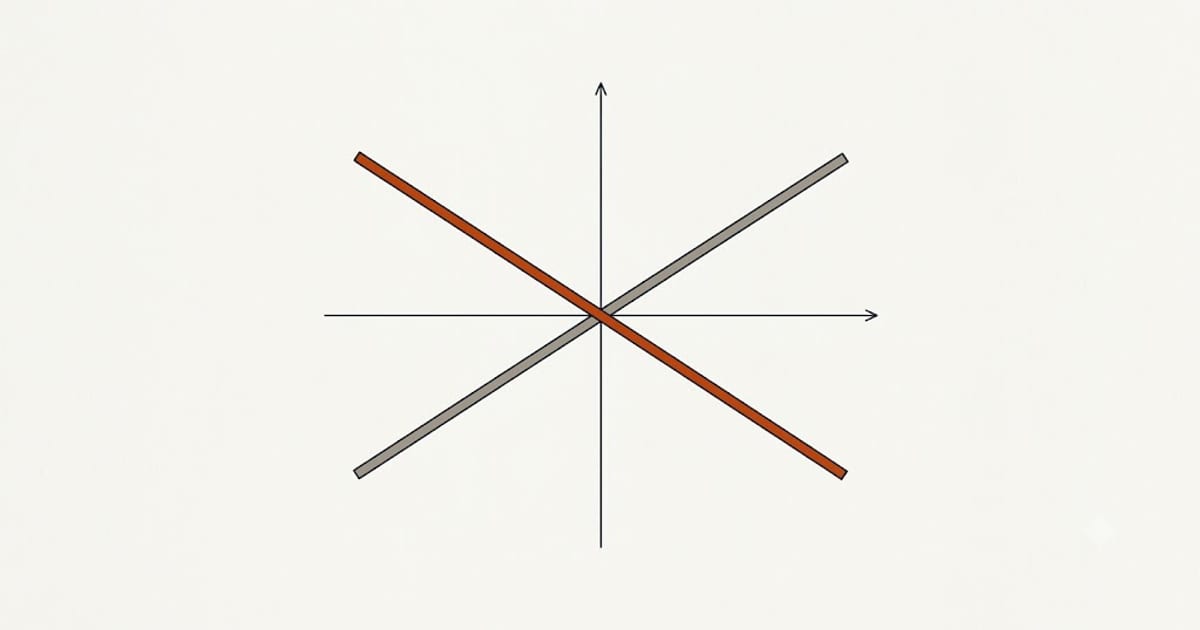
A heat pump extracts heat from outdoor air. As outdoor air gets colder there is less heat available and the machine delivers less, at the same time as the house needs more.
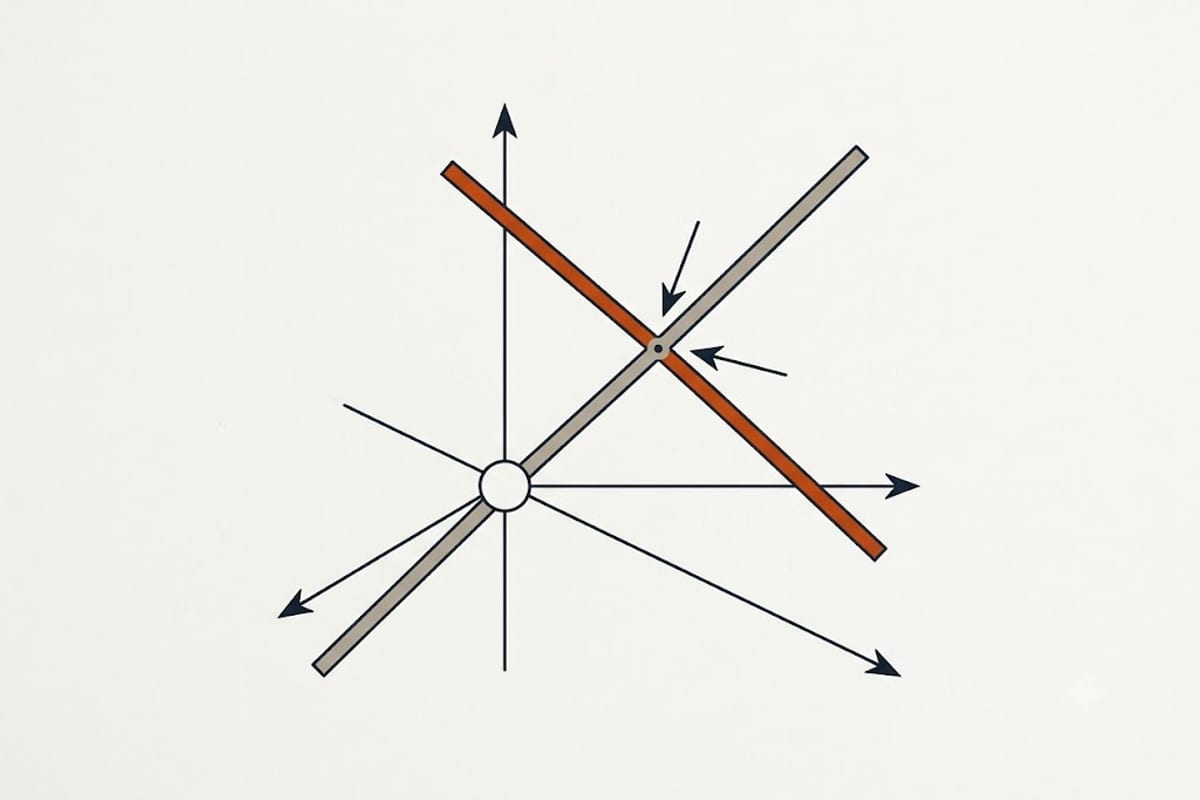
The two lines
Heating demand rises as outdoor temperature falls — a straight line from zero at the indoor setpoint up to the full design load at the 99% design temperature.
Heat pump capacity falls as outdoor temperature falls.
The temperature where they cross is the balance point. Above it, the heat pump alone holds the house. Below it, something else has to make up the difference.
Why it matters so much
Backup heat is usually electric resistance strip heat, running at a COP of 1 against a heat pump's 2 to 4.
Every hour below the balance point costs roughly three times what an hour above it costs. The number of hours below the balance point in a typical winter is therefore the single largest determinant of a cold-climate heat pump's running cost.
Where a balance point should sit
Conventional single-stage heat pumps commonly land around 30–40°F, which in a northern climate means a great many hours on strip heat.
Cold-climate heat pumps — variable-capacity, inverter-driven, with enhanced vapour injection on some models — hold far more of their capacity as it gets colder. Balance points in the 5–15°F range are achievable, and many are rated to deliver full capacity at 5°F and to operate below −13°F.
The difference between a 35°F balance point and a 10°F balance point in a northern winter is most of the heating bill.
Reading the manufacturer's data
The document to ask for is the extended capacity table, which gives heating capacity at a range of outdoor temperatures — commonly 47°F, 35°F, 17°F, 5°F and below.
The single nameplate rating tells you nothing about cold performance. HSPF2 is a seasonal average and also does not answer the question.
Plot the capacity at each temperature against the calculated heating load at the same temperature, and the crossing point is the balance point for that house with that equipment.
Dual fuel
A heat pump paired with a gas furnace, switching over at a chosen outdoor temperature.
The switchover point is usually set on cost rather than capacity: below the temperature where gas becomes cheaper per delivered BTU than the heat pump's declining efficiency, the furnace takes over.
That crossover depends on local electricity and gas prices, so the correct setting is specific to the utility rates and should be revisited when rates change materially.
Defrost
In cold, damp conditions the outdoor coil frosts and the unit periodically reverses to melt it, drawing heat back out of the house.
This is normal operation, not a fault, and it is why a heat pump can blow cool air briefly in winter. It does reduce net capacity, and demand-based defrost controls handle it better than fixed-interval ones.
The sizing consequence
Sizing a heat pump to meet the entire heating load at design temperature will substantially oversize it for cooling, with the humidity problems that follow.
Variable-capacity equipment is what resolves the conflict: it carries enough heating capacity while modulating low enough to cool correctly in summer. In a cold climate that is not an upgrade so much as the thing that makes the arrangement viable.
What to ask for on a quote
The balance point for this house with this equipment, the estimated annual hours below it, and the assumed backup heat source.
A contractor who has done the calculation can state all three. One who has not is quoting a machine rather than a heating system.