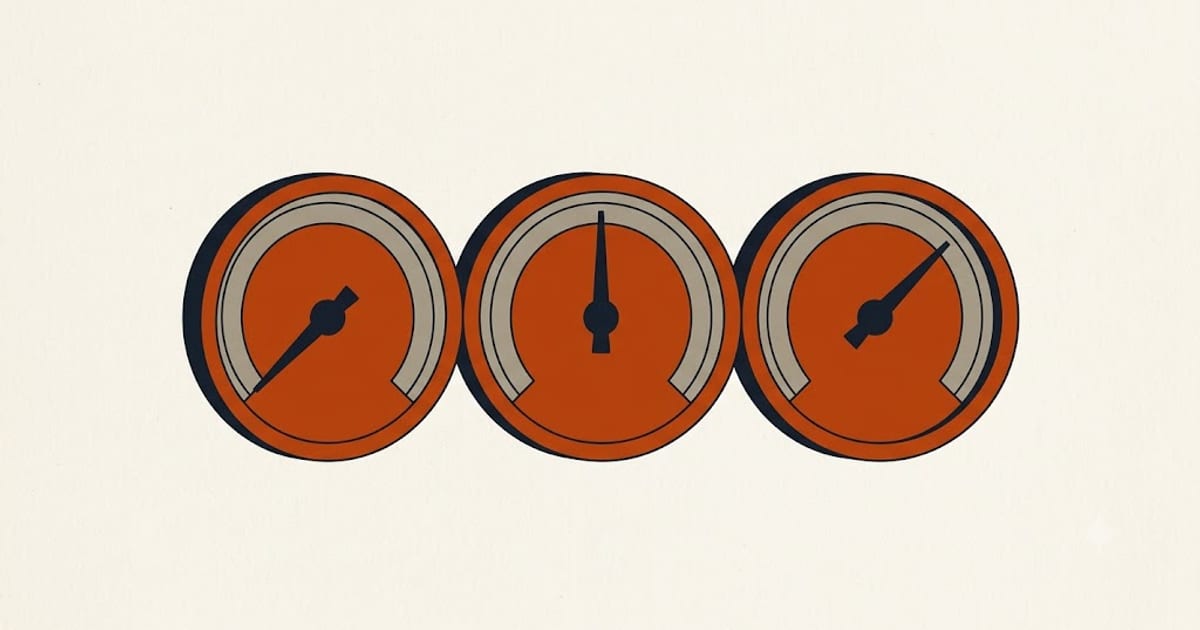
A correctly sized, correctly matched, high-efficiency system that is charged wrong and moving the wrong amount of air performs like a cheaper system that was set up properly.
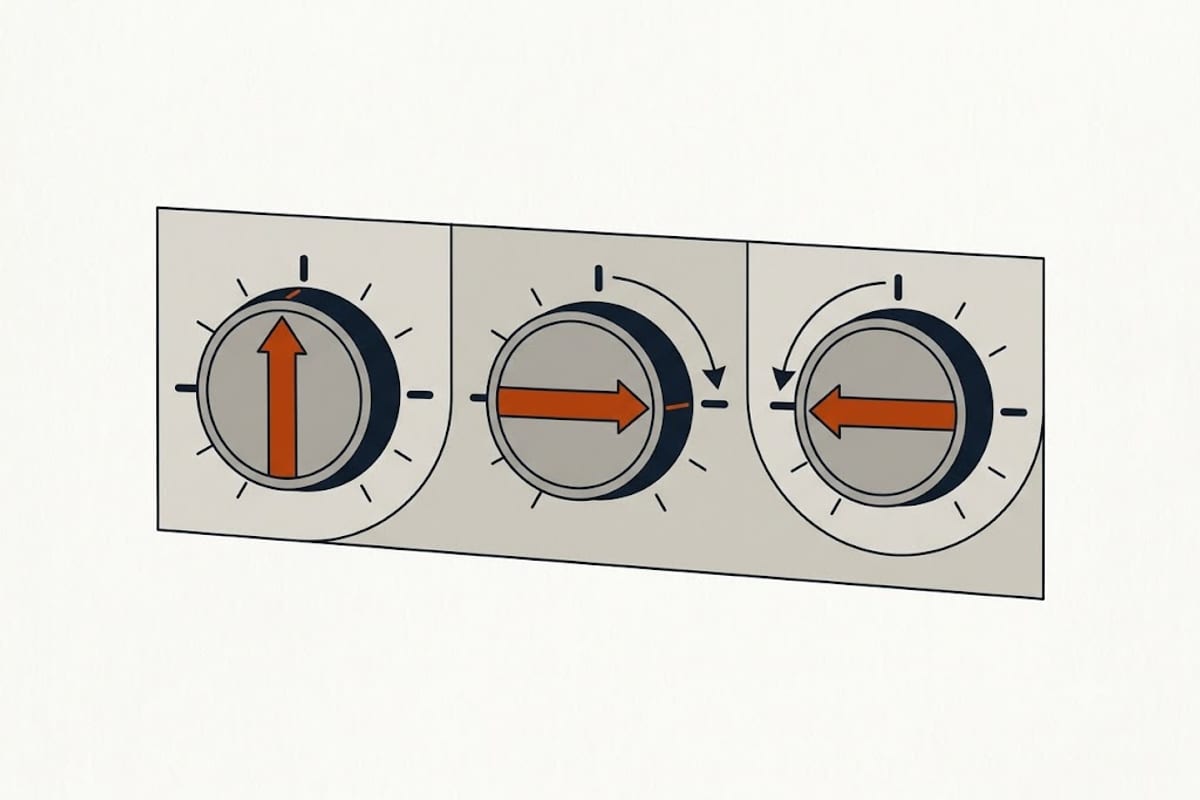
1. Refrigerant charge
The amount of refrigerant in the system, verified by measurement rather than by feel.
Superheat is used on systems with a fixed metering device. Subcooling is used on systems with a thermostatic or electronic expansion valve, which is most modern equipment. Each has a target range published by the manufacturer for the measured operating conditions.
Undercharge reduces capacity and can starve the compressor of cooling. Overcharge raises head pressure, reduces efficiency and shortens compressor life. Field studies have repeatedly found a substantial share of residential systems operating outside the manufacturer's charge window.
Charge is also affected by line set length, which is why "factory charge is fine" is only true for a standard-length run.
2. Airflow
Measured in CFM, and compared against the design figure — normally around 400 CFM per ton, adjusted for climate.
Low airflow reduces capacity and can freeze the coil. High airflow costs dehumidification.
Airflow is set by the blower speed selection, and on many installations that selection is left at whatever the factory default happened to be.
3. Static pressure
Total external static pressure across the air handler, measured with a manometer.
Most residential equipment is designed for about 0.5 in. w.c., and field measurements commonly find 0.8 to 1.0 or higher — a duct system substantially more restrictive than the equipment was designed to work against.
High static pressure means the blower cannot deliver design airflow, which means the system cannot deliver rated capacity, which means the tonnage on the box is not the tonnage in the house.
Why this is where the performance actually goes
Sizing, equipment tier and efficiency rating are all decided on paper. Whether the installed system realises any of it is decided in the last two hours of the job.
That is also the part most easily skipped when a crew is behind schedule, and the part a homeowner has no way to observe.
What to ask for
A commissioning report, in writing, showing:
Measured superheat or subcooling with the target range and the outdoor and indoor conditions at the time. Measured airflow in CFM. Measured total external static pressure. Supply and return temperatures and the resulting split. Line set length. And the blower speed tap or setting selected.
A contractor who does this work will produce the sheet. One who does not will explain that it is unnecessary, and that is the useful information.
The temperature split as a rough check
The difference between return air and supply air at the registers, roughly 18 to 22°F under normal conditions.
Much larger suggests low airflow. Much smaller suggests low charge or a capacity problem. It is not a substitute for proper measurement, but it is something a homeowner can take with two thermometers and it will catch a badly set up system.
When to have it checked
At installation, and again after the first cooling season if anything about the system's behaviour is unsatisfactory.
A system that is not keeping up, not dehumidifying, or cycling oddly is far more often a commissioning problem than an equipment problem — and it is much cheaper to correct than to replace.
The permit is a free second opinion
Where a permit and inspection are required, the inspection is an independent check that at least the basic installation is code-compliant.
It does not verify charge or airflow. It does verify the things that get skipped when nobody is looking, which is why a quote that omits the permit is worth questioning on more than the paperwork.